

A Strong Future in NRW
Press Release – State of North Rhine-Westphalia
Second Stop of Minister Gorißen’s Tour “A Strong Future in NRW: AI in Agriculture and Forestry”
From Research to the Field: How AI Advances Vegetable Cultivation
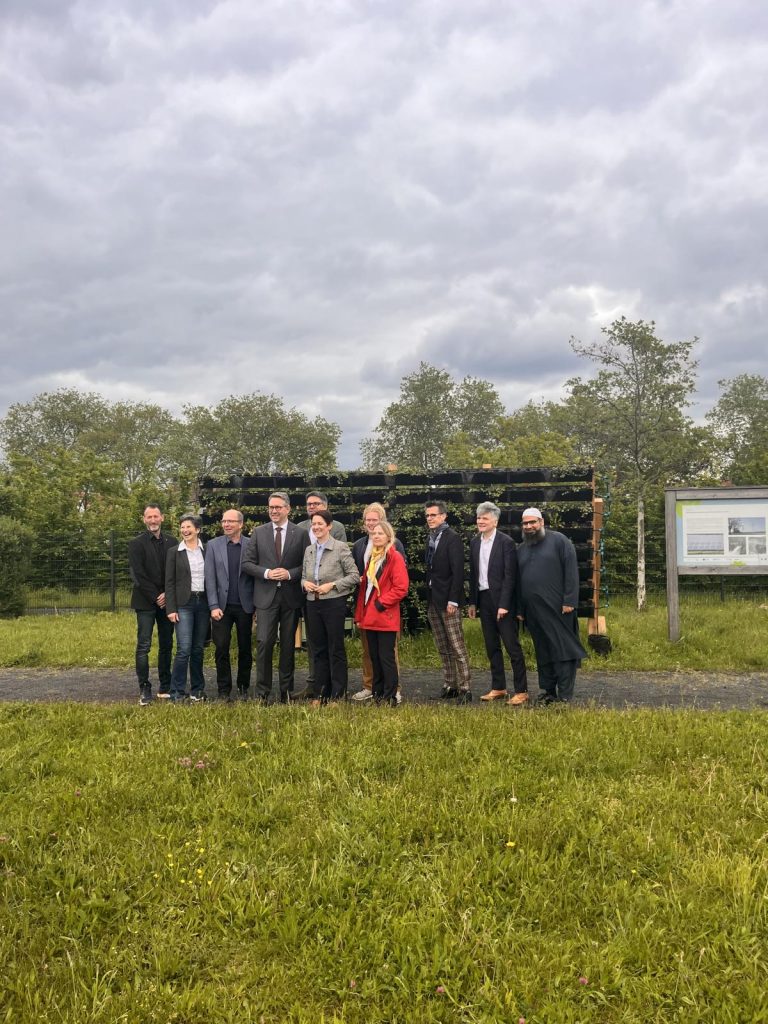
On Monday, May 11, 2026, Minister Silke Gorißen witnessed firsthand just how closely research and practice are already collaborating in the fields of agriculture and forestry during the second stop of the tour “A Strong Future in NRW: AI in Agriculture and Forestry.” During visits to Rhine-Waal University of Applied Sciences in Kamp-Lintfort and the agricultural machinery manufacturer AI.Land in Krefeld, the Minister gained a comprehensive overview of how Artificial Intelligence (AI) is transforming horticulture—specifically ornamental plant and vegetable cultivation—as well as woody plant propagation, both in theory and in practice.
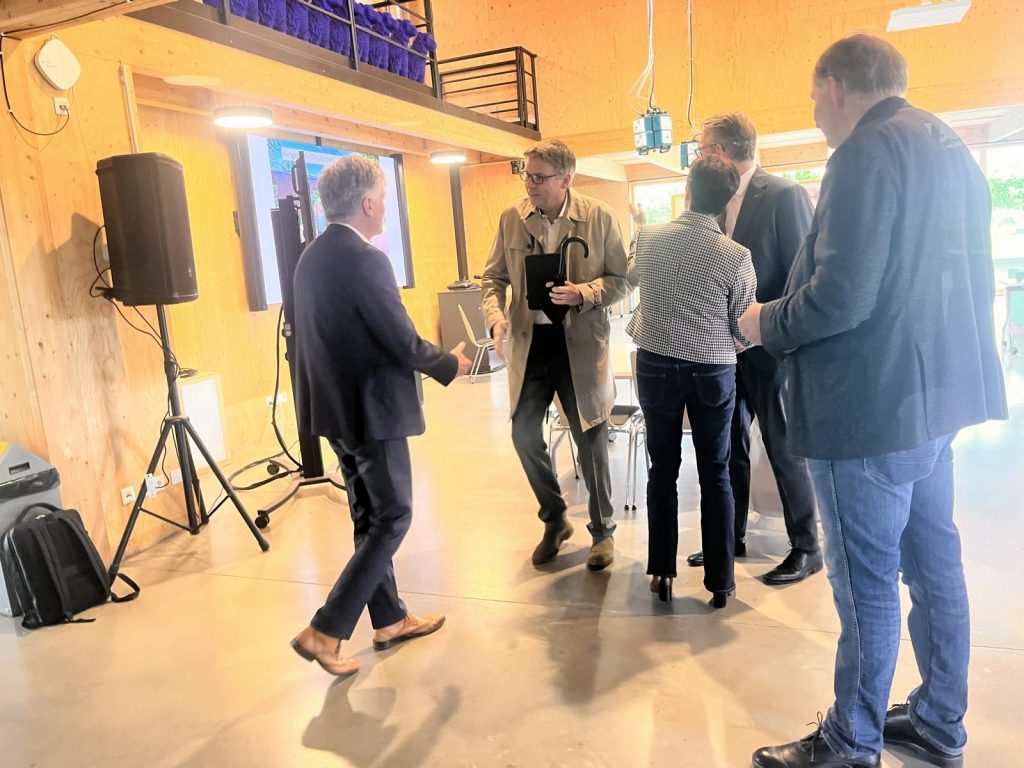
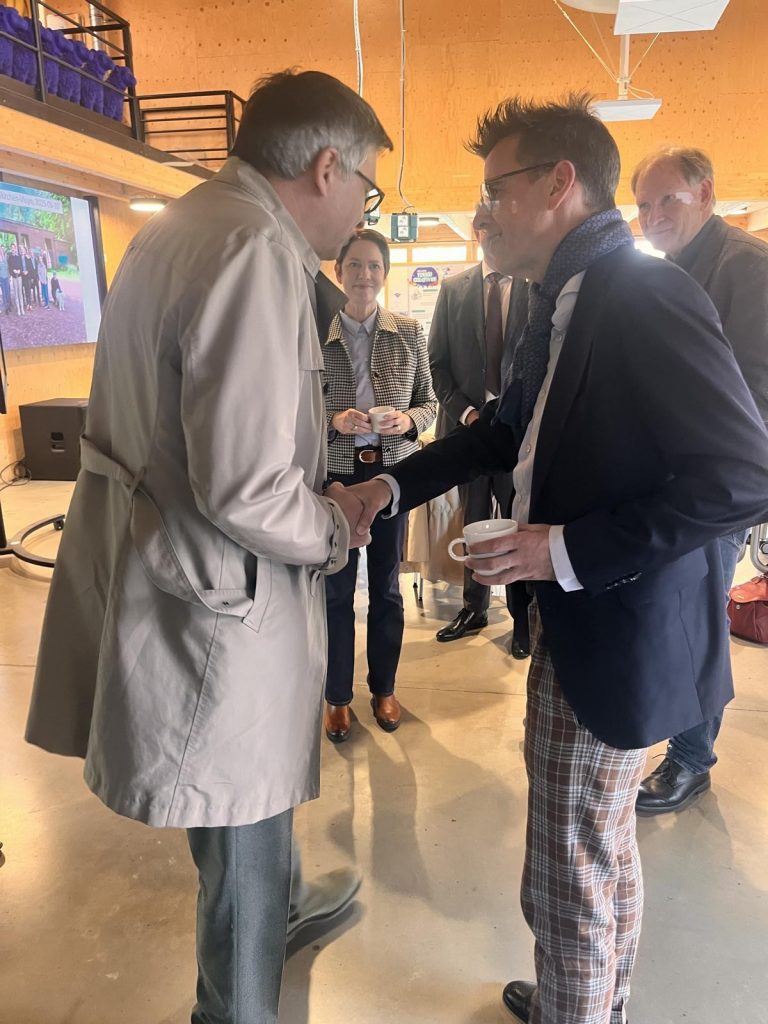
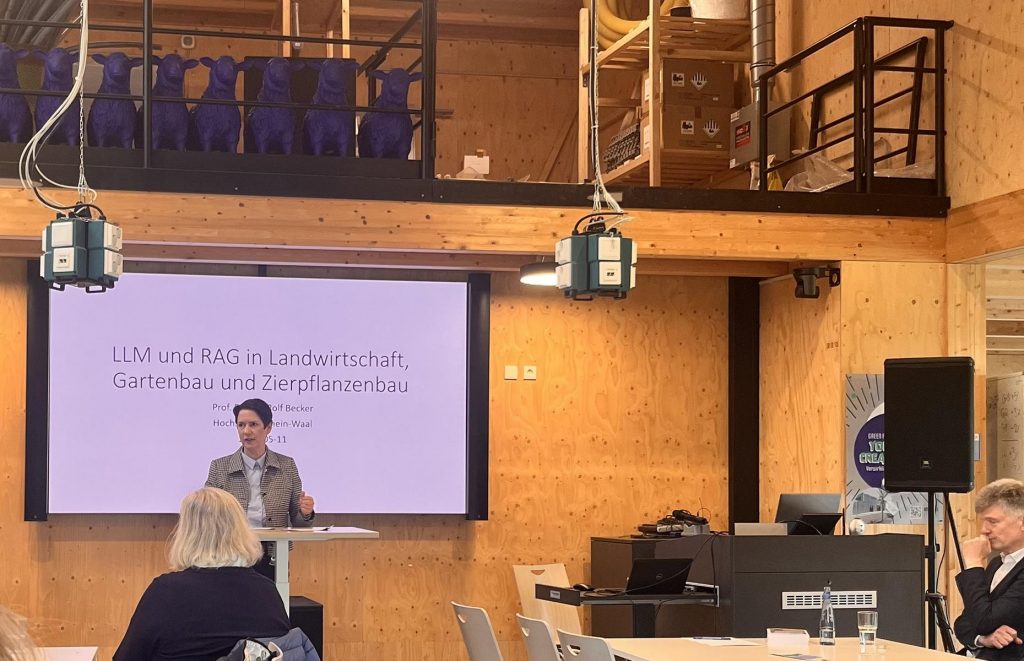
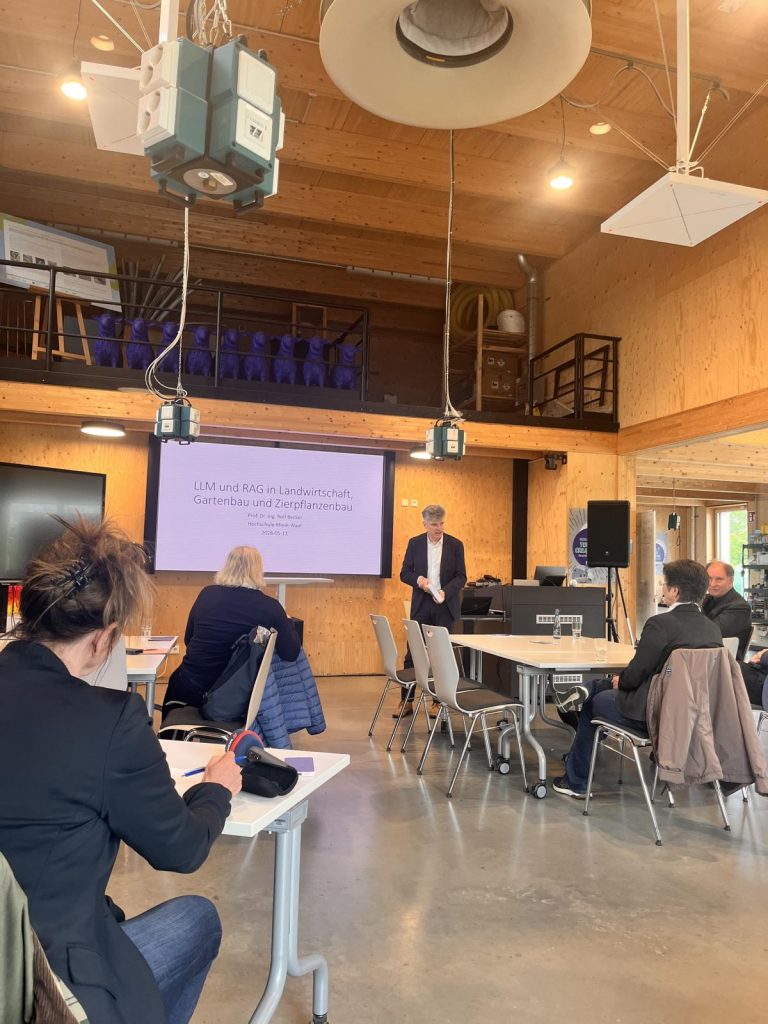
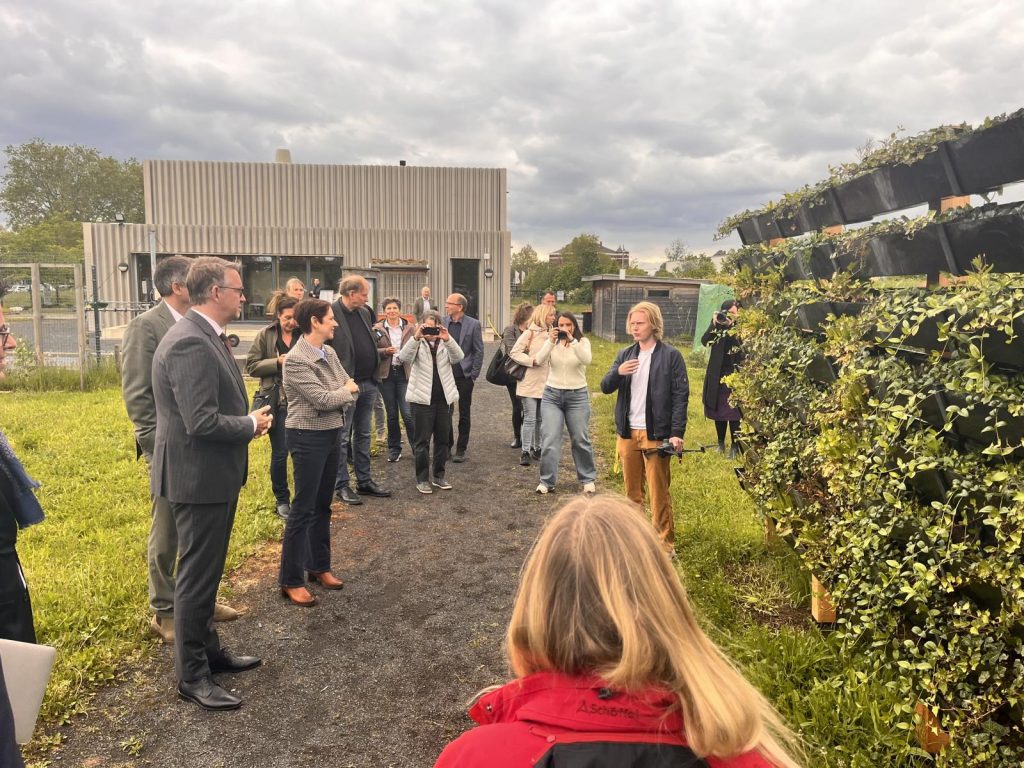
The tour stop began with a visit to the Kamp-Lintfort campus of Rhine-Waal University of Applied Sciences, where the team led by Prof. Rolf Becker presented the latest developments in their research with a strong focus on practical application. Next, the delegation proceeded to the agricultural machinery manufacturer AI.Land, located at Hof Schleupen in Krefeld; here, the application of AI in vegetable cultivation — for tasks such as weed control, fertilization, and harvesting — was demonstrated.
“Agriculture in North Rhine-Westphalia faces major challenges: climate change, rising demands regarding environmental and nature conservation, and economic pressures. At the same time, the goal remains to produce high-quality, affordable food,” stated Minister Silke Gorißen. “All these factors must be reconciled. The solutions to these challenges are not found behind a desk, but out in the field—on the farms themselves—and through dialogue among practitioners, researchers, and businesses. That is why, with our tour ‘A Strong Future in NRW: AI in Agriculture and Forestry,’ we are demonstrating how digitalization and agriculture can go hand in hand—paving the way for greater efficiency and sustainability.”
The Minister added: “We have the very best prerequisites right here in our region: dedicated agricultural businesses, robust research institutions like Rhine-Waal University of Applied Sciences, and strong companies like AI.Land. Crucially, we also possess an openness to new ideas and innovation. We will continue down this path—step by step, with a practical focus, and through open dialogue!”
This is where the State of North Rhine-Westphalia steps in with the “European Innovation Partnership for Productivity and Sustainability in Agriculture” (EIP-Agri). Funded by the State and the European Union, nearly 10 million euros in grants will be provided by 2029. This funding instrument empowers practitioners to further develop their ideas and put them into practice.
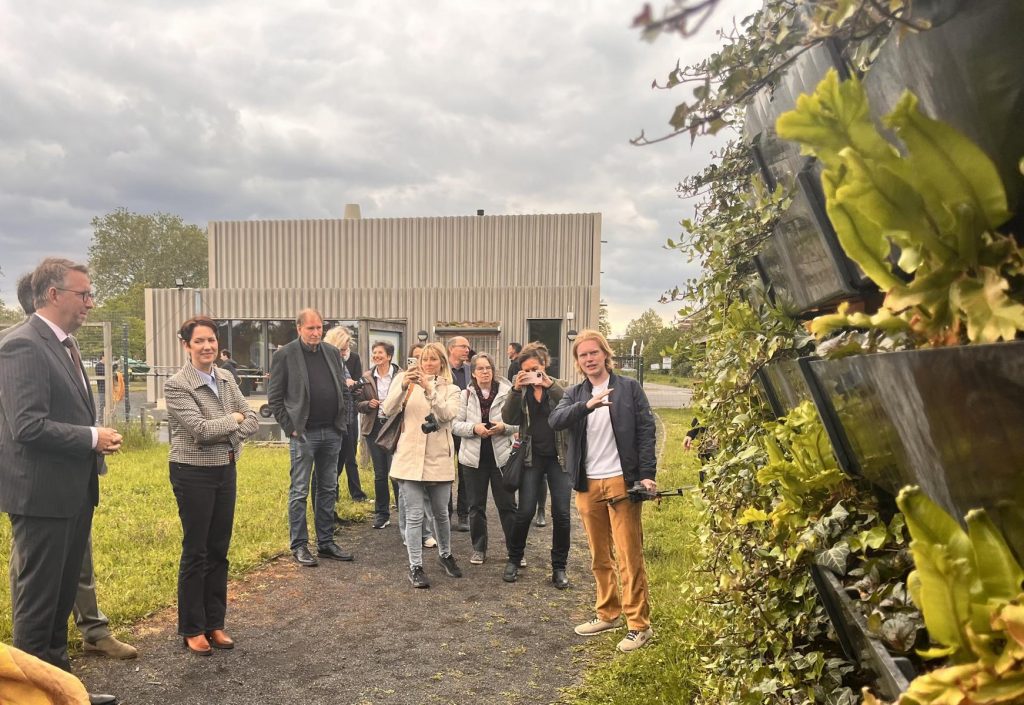


Rhine-Waal University of Applied Sciences Researches Versatile Technologies
565
Whether GPT, Gemini, Claude, or Llama—many people are now utilizing so-called Large Language Models (LLMs) in both their professional and private lives. LLMs offer significant advantages within the agricultural sector as well, opening up new opportunities for companies and farms to streamline processes and develop innovative products.
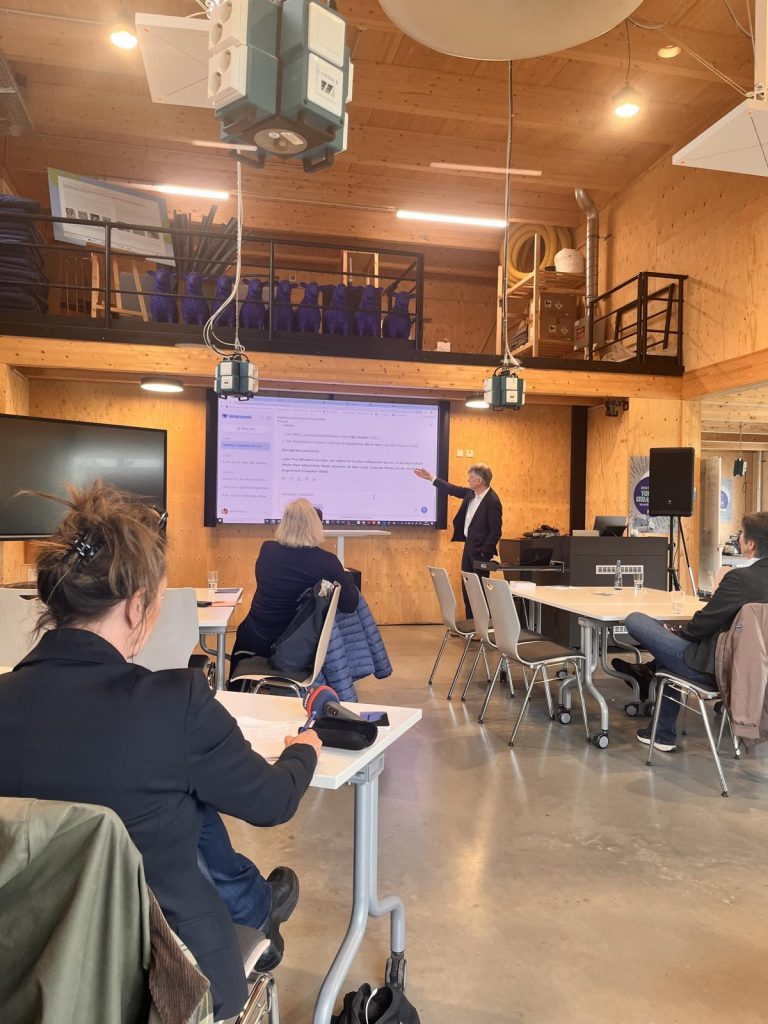
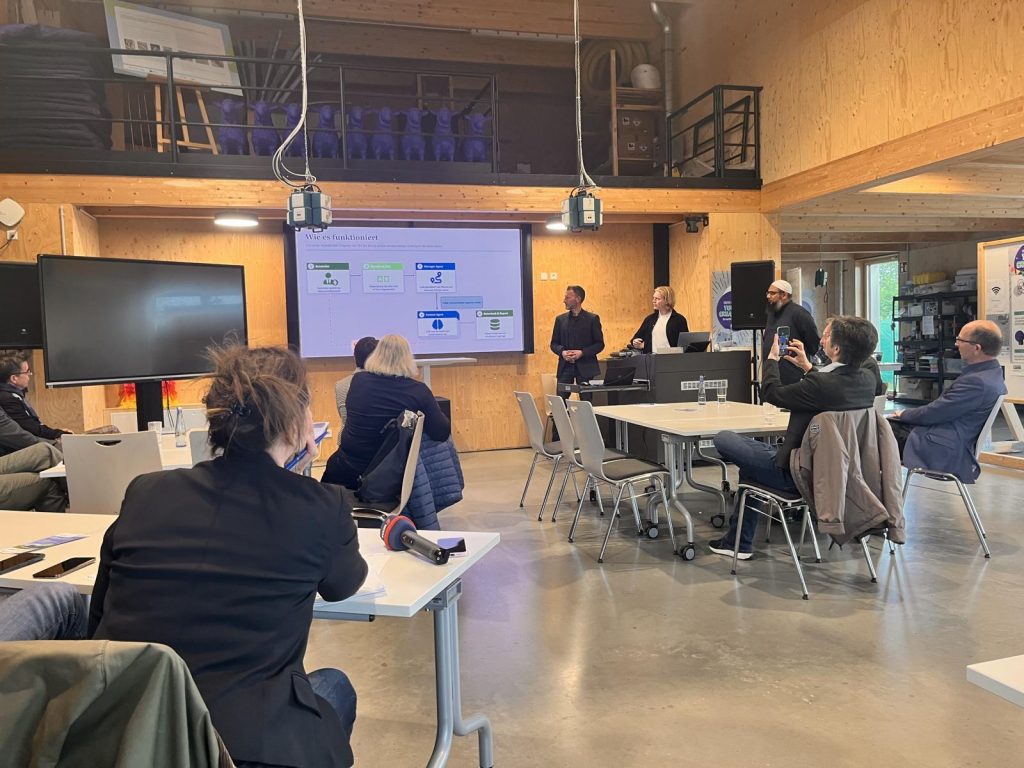
The Rhine-Waal University of Applied Sciences is exploring just how versatile these AI technologies already are through the following specific research projects—projects that Professor Becker and his team presented on-site in an interactive and engaging manner:
- In the “AgriTech Innovation – TreeDigital” project, AI is utilized to enhance agricultural processes—specifically within the horticultural sector, and primarily in tree nurseries—through data-driven methods. By jointly analyzing environmental, sensor, and horticultural documentation data, for instance, yields can be optimized and resources deployed more precisely.
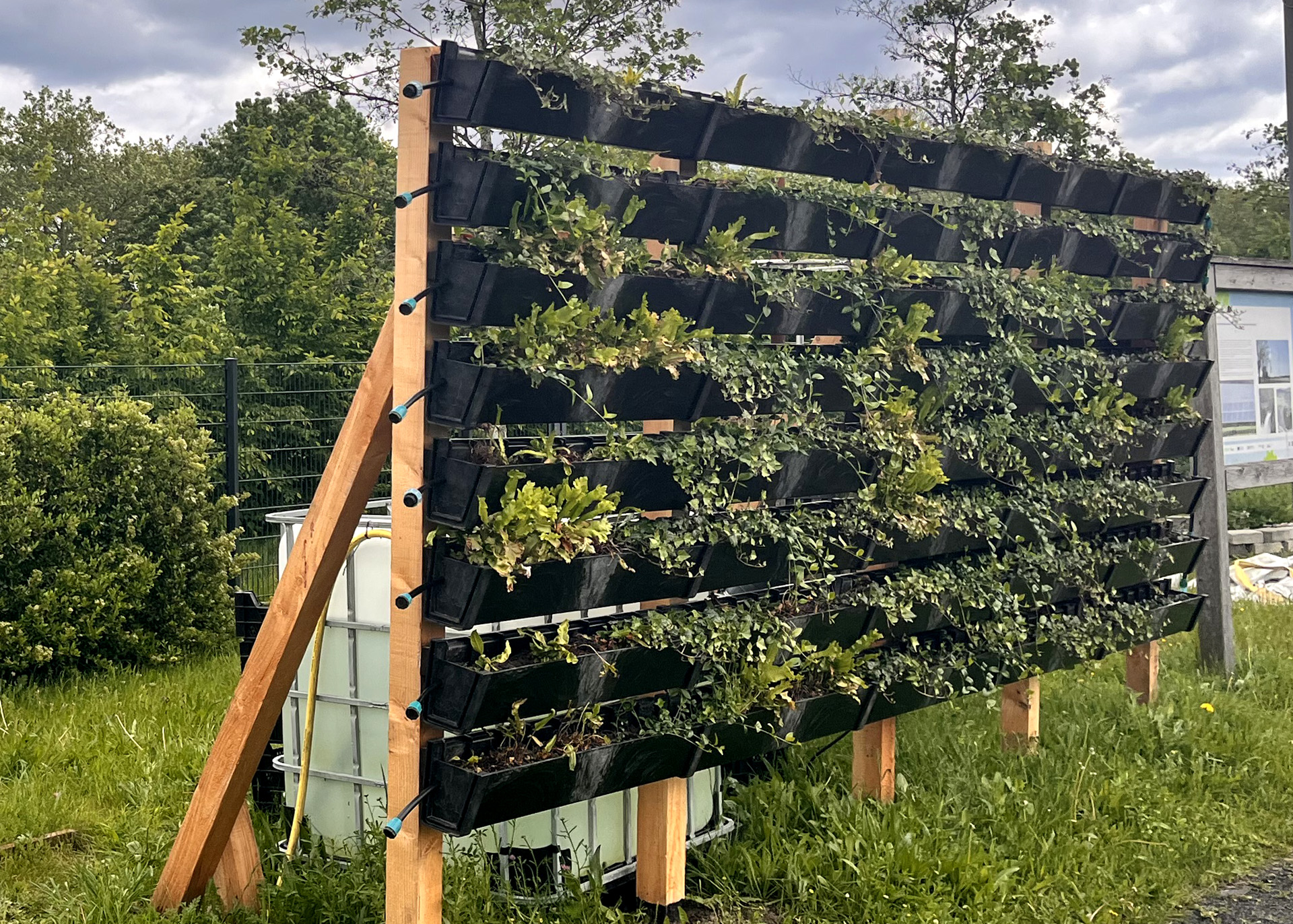
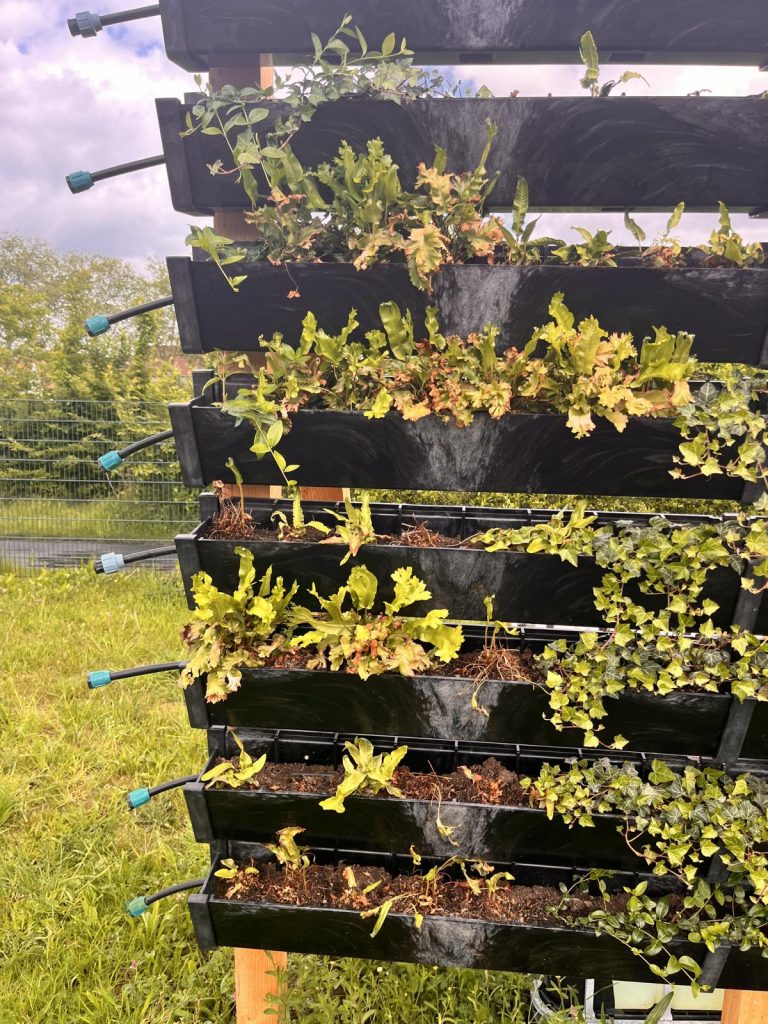
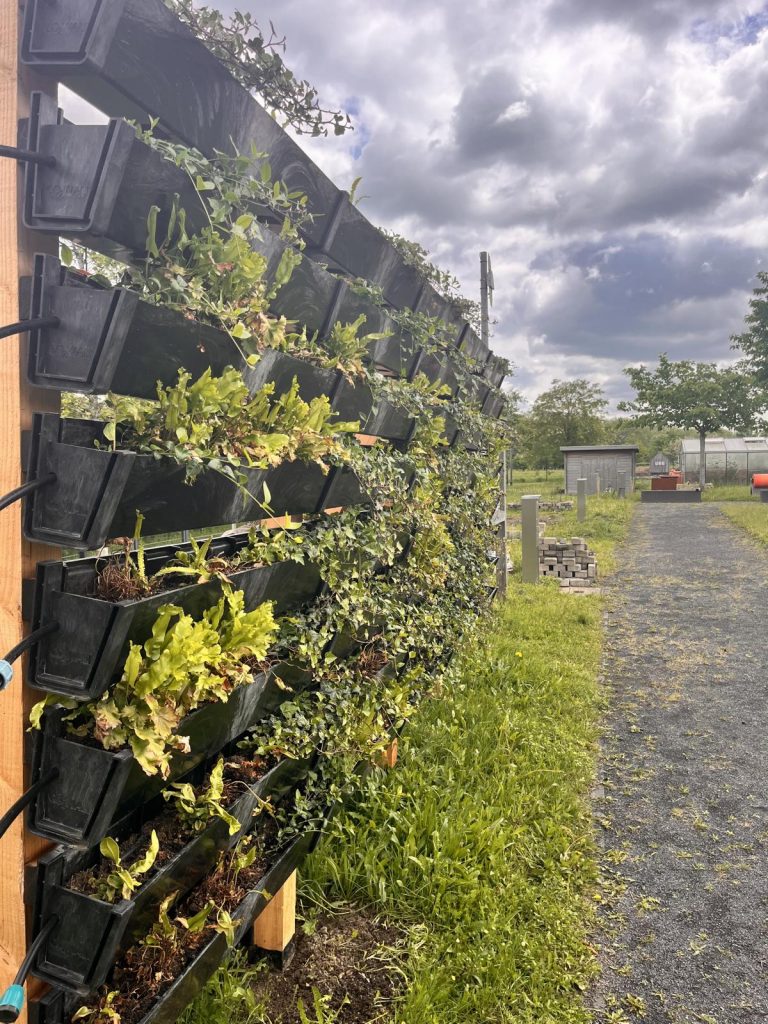
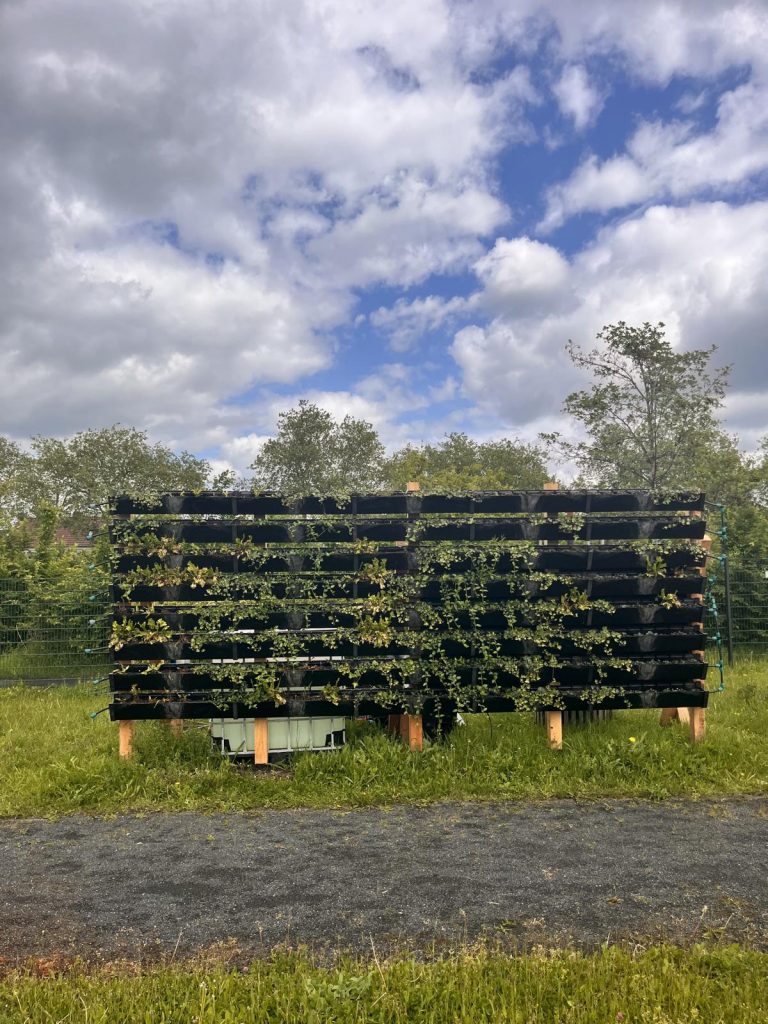
- The “Smart Green Wall” combines modern greening concepts with intelligent control systems. Here, AI ensures that irrigation, nutrient supply, and plant care are automatically adapted to prevailing conditions — resulting in healthier plants while reducing resource consumption.
- Another example is the “Digitalized Watering Cart,” designed to help conserve water in ornamental plant cultivation. By employing intelligent systems, the precise location of each plant pot is determined, and irrigation is controlled with pinpoint accuracy. This saves water while simultaneously easing the workload on staff.
- The “Irristaud 2.0” project is also dedicated to developing innovative solutions for efficient and sustainable cultivation management. The objective is to further optimize water consumption through the application of AI, while simultaneously enhancing supply security.
These projects impressively demonstrate how AI not only possesses theoretical potential but is already creating tangible added value today — particularly in the areas of sustainability and resource efficiency. For instance, water, fertilizers, and crop protection products can be applied with greater precision, thereby conserving soil and resources. Early warning systems for yield losses or forest damage help prevent economic losses.
Companies that deploy these technologies secure decisive competitive advantages while simultaneously making a significant contribution to greater sustainability.
Agricultural Machinery Manufacturer AI.Land Focuses on Full Automation
One such company is the agricultural machinery manufacturer AI.Land, located in Krefeld-Hüls, which Minister Gorißen visited following her appointment at the Rhine-Waal University of Applied Sciences.
Founded as a spin-off from the FH Aachen (Aachen University of Applied Sciences), AI.Land develops autonomous robotic systems that utilize artificial intelligence to precisely cultivate agricultural fields. This technology underscores the immense potential inherent in academic spin-offs. Since its inception, the company has maintained a close collaborative relationship with the Rhine-Waal University of Applied Sciences — a partnership evidenced by joint research proposals and the recruitment of students as employees.
A flagship project of the company is DAVEGI: an intelligent field robotics system aimed at achieving full automation in vegetable cultivation. Utilizing precision sensor technology and robotics, each individual plant is identified, tended to, and harvested. The underlying concept is based on a circular gantry that rotates around a fixed central point, thereby creating a stable environment conducive to robust automation. Primary movements are executed by carriages traveling along the gantry, which move rapidly with minimal frictional loss. The project’s objective is to pack the harvested produce into freshly assembled vegetable boxes, which are then delivered directly from the field to customers’ homes. The system is powered autonomously via solar panels.
Background: Tour – “A Strong Future in NRW: AI in Agriculture and Forestry”
The “Strong Future in NRW” tour is making stops throughout North Rhine-Westphalia, offering insights into concrete applications of artificial intelligence. The initiative aims to highlight the benefits provided by innovations developed and tested by bright minds across the region. Following Minister Gorißen’s visit to Cologne in April—where she viewed an AI-assisted hoe designed for weed control—the focus in the coming months will shift to sensor-supported livestock farming, drones for reforestation, and smart data solutions in arable farming. The objective is to showcase the capabilities of North Rhine-Westphalia as an agricultural hub and to strengthen the dialogue among researchers, practitioners, and the general public.